Clair Obscur: Expedition 33 Review - An RPG Piece de Resistance
An RPG masterpiece that delivers breathtaking visuals, deep combat, and an emotionally resonant story.

Let me be upfront: I did not expect a debut RPG from a small studio to be the game that knocked me flat this year. The genre is drowning in competent-but-forgettable entries, the kind you finish and never think about again, and I went into Clair Obscur: Expedition 33 braced for exactly that. Instead I got one of those rare games that reorganizes your sense of what the medium is capable of. It doesn't merely stand out from the RPG pack — it strolls past it with the quiet confidence of something that knows precisely what it is. Between its painterly art direction, a combat system that's far deeper than its familiar surface suggests, and a story that earns its tears honestly, this is a game that belongs in the conversation with the genre's all-time greats. Here's why it moved me.
A World Unlike Any Other
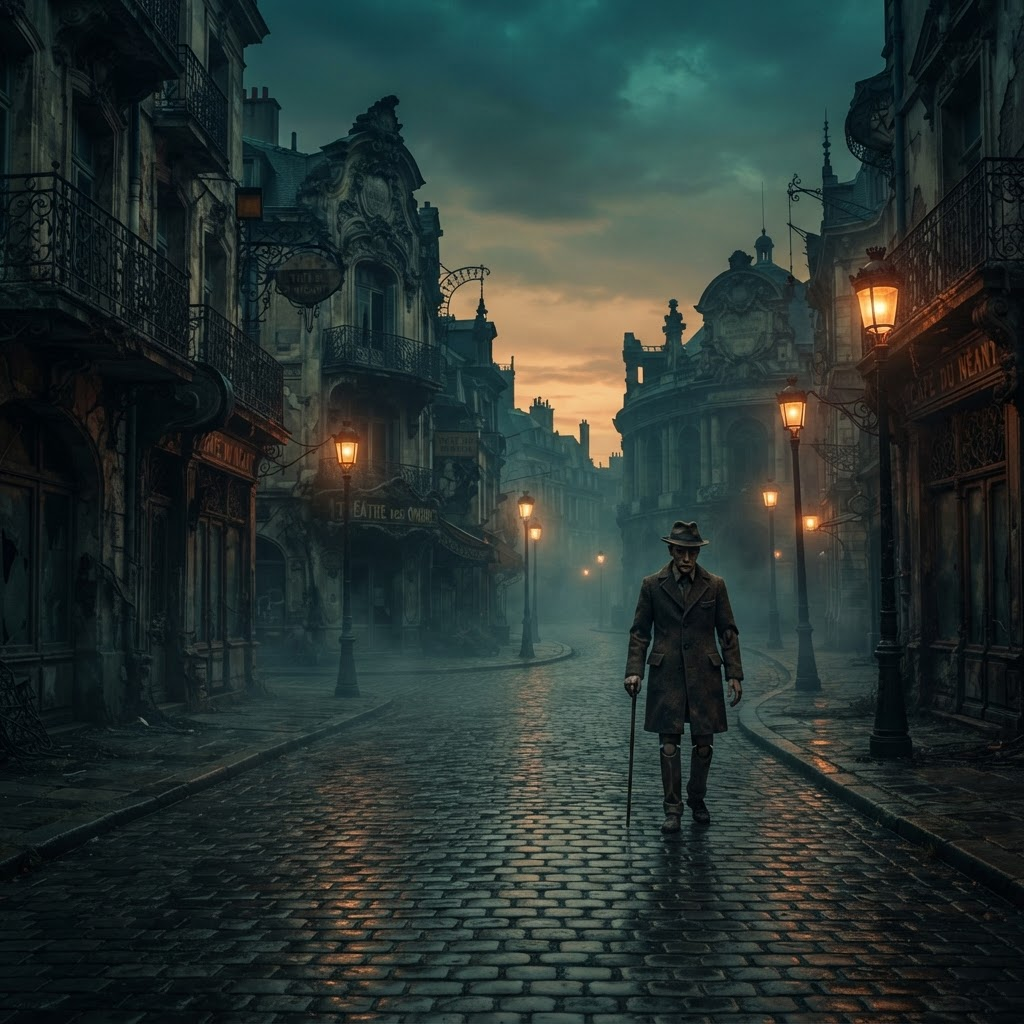
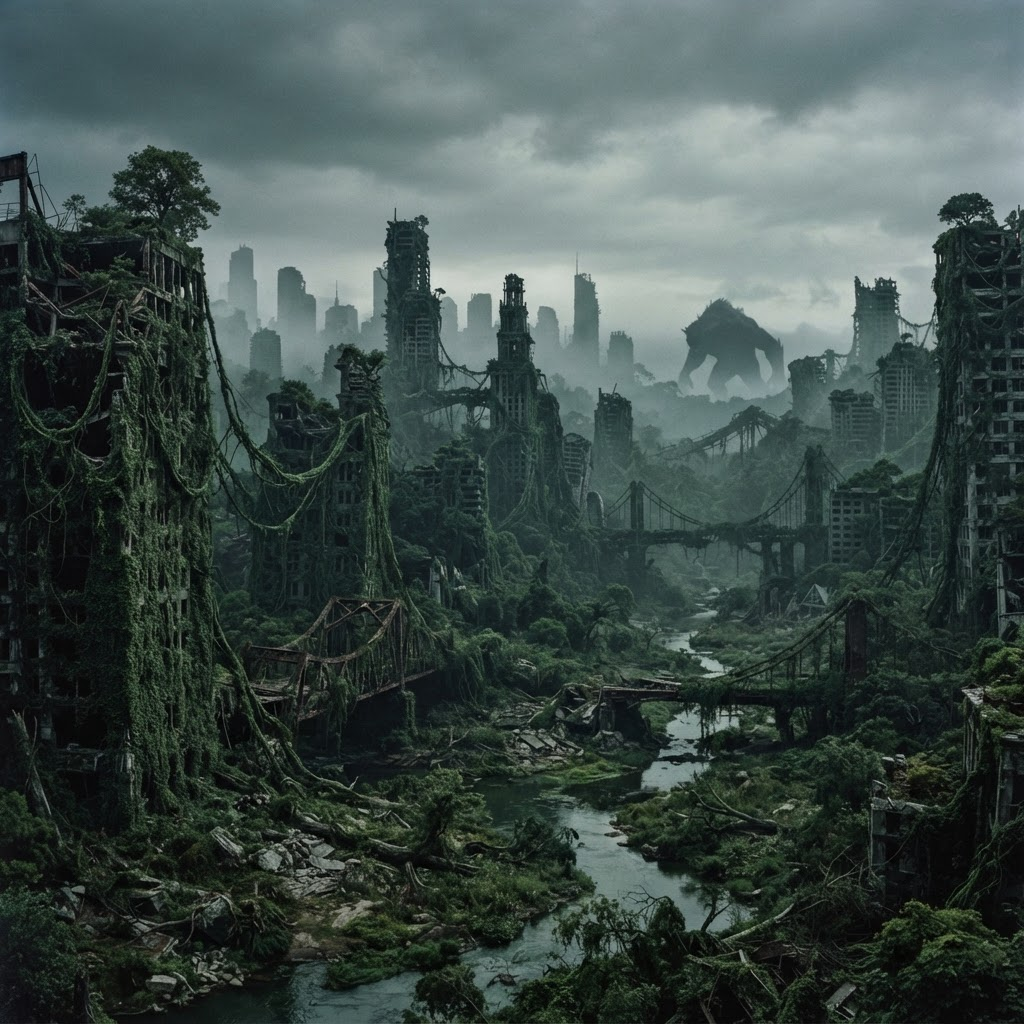
The first thing that hits you is the look of the place, and it hits hard. Clair Obscur builds its world out of French Impressionism — not as a superficial filter, but as a genuine guiding principle — so that entire environments read like paintings you can walk through, all soft edges and deliberate brushwork made three-dimensional. What elevates it from a pretty gimmick to something artful is how the color palette breathes with the story, warming and cooling to match the emotional temperature of a scene so that the visuals are doing narrative work even when no one's speaking. And the detail rewards you for slowing down: the way light spills through the ruins of a long-dead civilization, the small unscripted animations of NPCs living lives that don't revolve around you. I caught myself just standing still, taking it in, more times than I can count.
Combat That Demands Mastery
On paper, Expedition 33 runs on turn-based combat, and a screenshot might have you filing it next to a hundred other menu-driven RPGs. Play it for twenty minutes, though, and that assumption falls apart. The system laces its turns with real-time, timing-based inputs — parries and dodges that demand you stay locked in during the enemy's turn rather than zoning out until it's your move again. It's a design that punishes autopilot and rewards genuine attention, turning even routine fights into something closer to a rhythm you have to stay in step with. The party members each bring distinct kits that interlock in ways that make theorycrafting your lineup genuinely fun, and the boss fights are where it all peaks: multi-phase gauntlets that quietly quiz you on every mechanic the game has taught you up to that point. Nailing one is exhilarating in a way turn-based combat rarely is.
A Story Worth Telling
Beneath the spectacle, Clair Obscur is telling a wrenchingly human story about mortality, legacy, and the people we choose to carry with us. The setup follows Expedition 33, a band of warriors marching out to confront a mysterious figure called the Paintress, and in lesser hands that could have collapsed into a rote good-versus-evil march. It never does. Instead the game sits with harder questions — how you find meaning, and each other, in a world where death arrives arbitrarily and on someone else's schedule. The writing is sharp and unafraid of silence, the central cast is drawn with real interiority rather than the usual archetypes, and the big emotional beats land because the game did the patient character work to earn them. I won't spoil a thing; this is a story best walked into blind. Just know that it stayed with me long after the credits.
Technical Excellence
It would be easy for a game this ambitious to buckle under its own weight, and the fact that it doesn't is worth celebrating. Built on Unreal Engine 5, Clair Obscur wrings genuinely stunning results out of modern hardware — the character models hold up under scrutiny and the environments push past what I'd assumed was the ceiling for the genre. More importantly, the ambition doesn't come at the cost of playability. Performance stayed stable for me even when the screen was awash in the chaos of a late-game boss's most frantic phase, and the mercifully short load times meant that death — of which there is plenty — never broke the spell for long. For a studio's breakout title, the technical polish here is frankly remarkable.
Sound and Music
If the visuals are the game's body, the score is its soul. Performed with a full orchestra, the music doesn't just accompany the action — it argues with it, comforts it, mourns alongside it. Hushed, contemplative passages swell into sweeping battle themes at exactly the right moments, and I never once got the sense a track was there simply to fill the silence; every piece feels composed for its scene. The voice acting matches that standard, with performances that find the ache and humor in characters who could easily have come across as archetypes. It's the rare soundtrack I went and listened to on its own afterward, which is about the highest compliment I can pay it.
Minor Imperfections
No game is flawless, and in the interest of honesty rather than nitpicking, Clair Obscur has a couple of soft spots. A handful of the side quests feel like filler when set beside a main storyline this assured, and the pacing sags a little through the middle chapters before the finale pulls everything taut again. But I want to be clear about the scale of these complaints: they're the difference between a near-perfect game and an absolutely perfect one, minor wobbles in an experience that otherwise soars. If this is what the studio produces out of the gate, I genuinely cannot wait to see what comes next.
- Pros: Stunning art direction, Deep combat system, Emotionally resonant story, Technical excellence
- Cons: Some filler side content, Occasional pacing issues in middle chapters
Ben Williams
Gaming journalist and content creator with a passion for helping players succeed.