A Fake R.E.P.O. Is Scamming PlayStation Players - Here's How to Spot It
A fraudulent copycat slipped onto the PlayStation Store to prey on fans waiting for the real R.E.P.O. What to watch for, and how to get refunded.
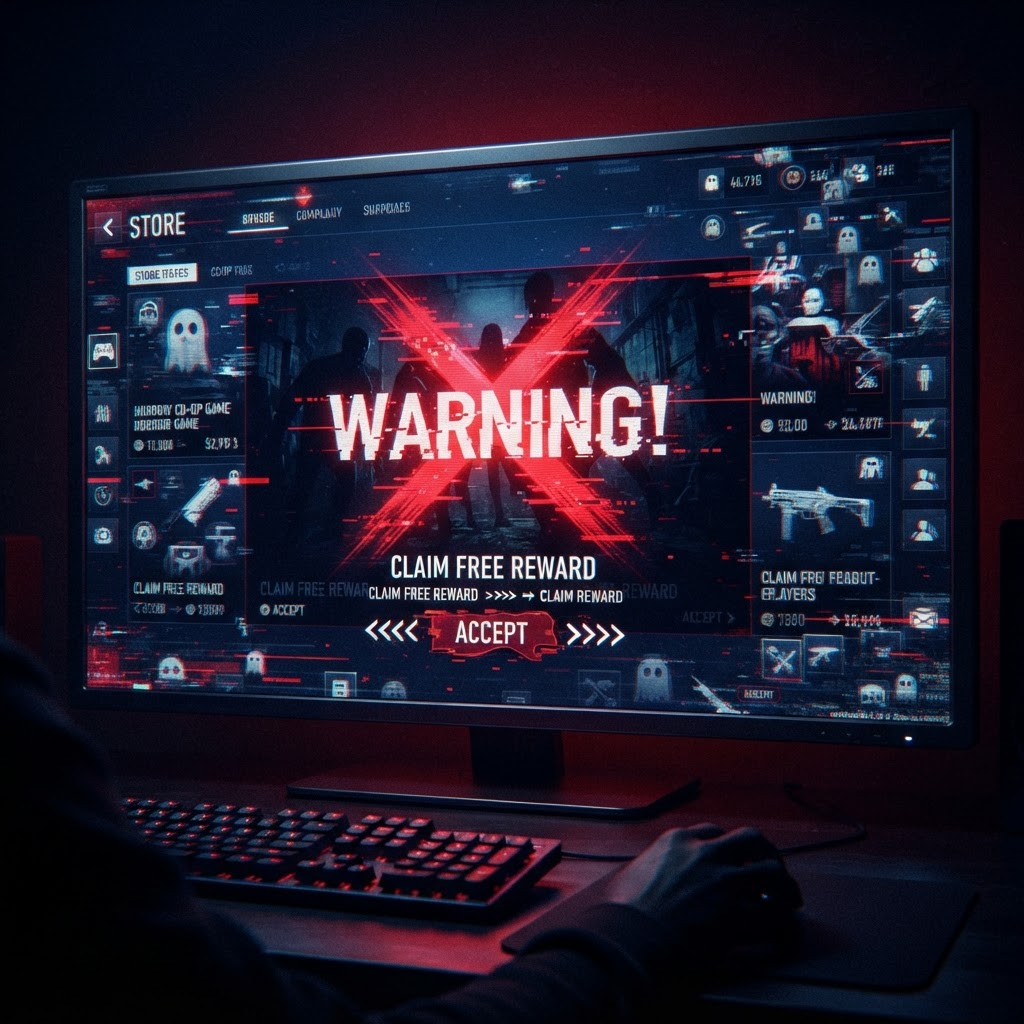
It's a story that has become depressingly familiar: a small indie game blows up, the hype outpaces its availability on every platform, and opportunists rush in to cash in on the confusion. This time the victim is R.E.P.O., the co-op horror hit that exploded off the back of streamer word-of-mouth, and the target is PlayStation owners who have been patiently waiting for a console version. A fraudulent listing dressed up in stolen art and a near-identical name slipped onto the PlayStation Store and started separating hopeful fans from their money. If you've been eyeing R.E.P.O. on PS5, this is worth understanding — both to avoid getting burned yourself and to recognize the broader pattern these scams rely on.
The Scam Explained
The fake showed up on the PlayStation Store wearing the real game's clothes — a title just a character or two off from the genuine R.E.P.O., cover art lifted wholesale, and a store description copied almost word for word from the original. On paper it looked like the console port people had been waiting for. In practice, buyers who handed over their money got something between a joke and an insult: a single broken level in some cases, a title screen leading nowhere in others. The whole scheme hinged on timing. Because the real R.E.P.O. had launched on PC but hadn't yet arrived on consoles, there was a window of genuine ambiguity — and scammers are very good at living inside exactly that kind of gap, where an eager buyer's assumption does most of the work for them.
Identifying Fake Games
The frustrating truth is that these scams are usually avoidable if you know the tells, and they're worth internalizing because this won't be the last one. Start with the publisher name — fraudsters lean on names that are plausible at a glance but fall apart under a second's scrutiny, so read it, don't skim it. Price is another giveaway; if a game everyone's talking about is suddenly listed for a fraction of what you'd expect, that discount is a warning label, not a bargain. And when in doubt, step outside the storefront entirely. A genuinely popular indie game will have reviews, coverage from outlets you recognize, and a trail of discussion online. If you go looking for that trail and find nothing, treat the silence itself as an answer and keep your wallet closed.
What Sony Is Doing
To Sony's credit, the fraudulent listing came down reasonably quickly once community reports and press coverage forced the issue, and the company says it's investigating how the thing cleared certification in the first place. That last part is the more important question. Incidents like this keep happening across every major digital storefront, and each one raises the same uncomfortable point: the approval processes meant to protect buyers are clearly porous enough for a copy-paste scam to slip through. Sony has promised measures to tighten the gate, which is the right noise to make — but the recurring nature of these cases across the industry suggests platform holders are still playing defense rather than getting ahead of the problem.
How to Get a Refund
If you got caught by this one, the good news is you're not stuck with it. You can request a refund through PlayStation Support: sign into your account, dig into your transaction history, locate the offending purchase, and file the refund request from there. If the self-service route gives you trouble, contact PlayStation Support directly and explain what happened — given the circumstances and the media attention, representatives have reportedly been told to fast-track these particular claims rather than putting affected players through the usual back-and-forth. Don't sit on it; refund windows have limits, and the sooner you flag it, the smoother the process tends to go.
The Real R.E.P.O.
It's worth pausing to give the actual game its due, because the whole reason this scam worked is that R.E.P.O. is genuinely beloved. It's a co-op horror game from a small studio that earned its audience the honest way — through streamers, clips, and the kind of word-of-mouth money can't manufacture — built around tense, communication-heavy cooperative play and an atmosphere that turns a group voice chat into a nervous wreck. That's exactly the kind of grassroots success scammers love to piggyback on, since the demand is real and outstrips the official supply. If you want the authentic experience, the advice is simple: wait for the developers themselves to announce a PlayStation version, and buy only once that announcement comes from a source you can verify.
Protecting Yourself
Zoom out and the real lesson here isn't about one bad listing — it's about the habits that make you a hard target. Research a game before you buy it, and be especially deliberate with titles from publishers you've never heard of. Follow the actual developers on their official channels so that when a real console release does land, you'll know it's real because it came from them, not from a lookalike page. And when you do spot something fishy, take the extra thirty seconds to report it, because the listing that tricks you today is the one that gets pulled faster for the next person. Storefront gatekeeping will keep failing at the margins; a little healthy skepticism is the defense that's actually within your control.
Chris Martinez
Gaming journalist and content creator with a passion for helping players succeed.